Your Health, Our Insights
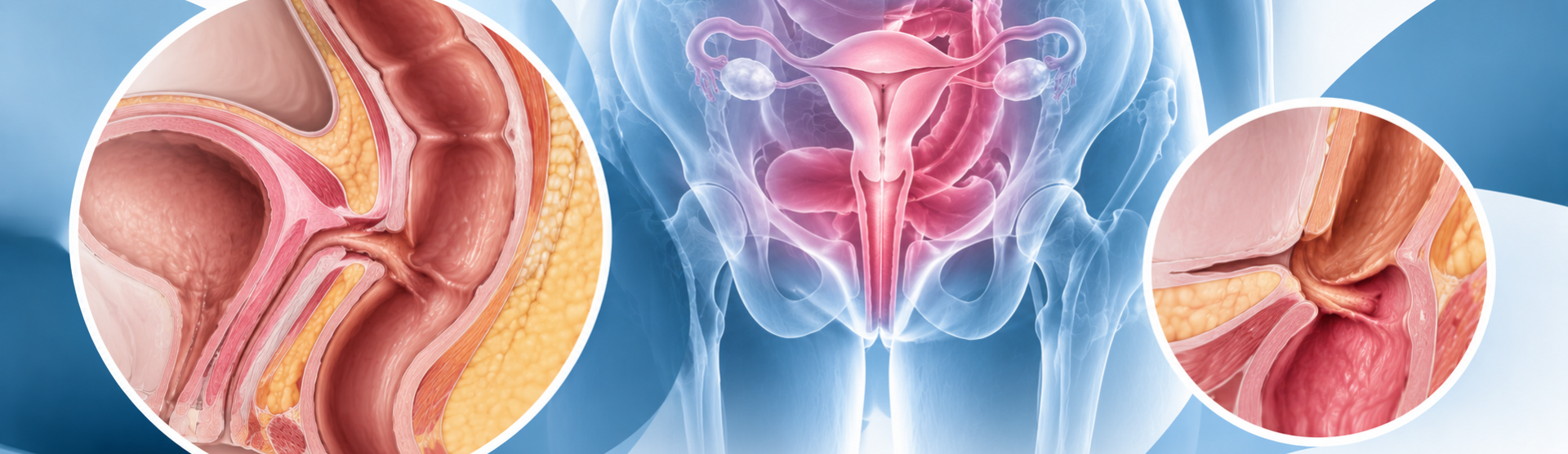
Rectovaginal Fistula: To Divert or Not to Divert? Functional Outcomes Tell the Story
When managing rectovaginal fistula (RVF), one of the most critical decisions is whether to use fecal diversion. But this decision hinges not only on fistula complexity—it’s also deeply influenced by etiology and long-term functional outcomes.
🔍 Obstetric vs. Crohn’s-Related RVF: Different Paths, Different Outcomes
✅ Obstetric RVF: High Healing, Strong Recovery
• Healing rates up to 91–92%
• Most cases respond well to local repair without diversion
• Long-term continence and sexual function are typically restored
• Stomas, when used, are temporary and often reversed
• Quality of life returns near baseline after successful repair
👉 Persistent fistulas are rare but, when present, can impact social and sexual wellbeing. [1][2][3]
⸻
⚠️ Crohn’s-Related RVF: Lower Healing, Higher Functional Impairment
• Healing often requires multiple interventions
• Even after closure, patients may face ongoing anorectal symptoms, incontinence, and reduced quality of life
• Fecal diversion is more commonly used, but only 26–50% achieve sustained remission
• Up to 42% require permanent diversion (proctectomy) due to persistent disease
• Restoration of bowel continuity is rarely successful, with lasting symptoms such as tenesmus, discharge, and sexual dysfunction
👉 ASCRS recommends diversion or proctectomy in cases with uncontrolled symptoms or complex disease. [4]
⸻
💡 Key Takeaway
• Obstetric RVF: Excellent long-term outcomes, high healing rates, minimal need for diversion
• Crohn’s-related RVF: Challenging to manage, lower functional recovery, higher likelihood of permanent diversion
You might like these articles

Book Now